Tromsø Arctic-Alpine Botanic Garden: small plants in a landscape of stone
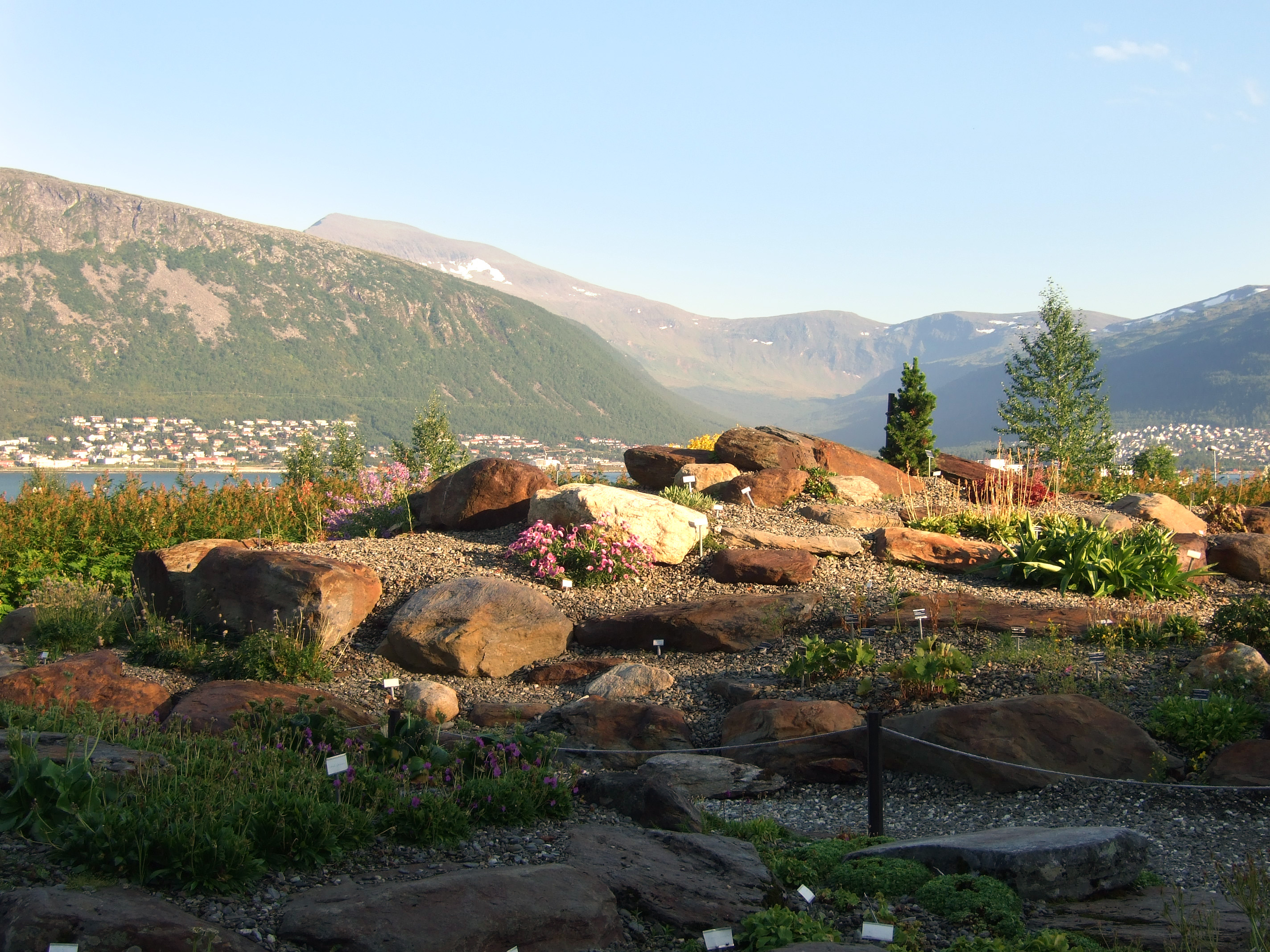
In Tromsø, boulders carry much of the garden’s architecture. Small plants inhabit crevices and contrasting slopes, turning a walk through the collections into an exercise in close attention. The result is a botanical landscape whose interest comes from adaptation as much as abundance.

From the source
Tromsø’s Arctic-Alpine Botanic Garden belongs to the university museum and cultivates plants from Arctic, alpine and other cold regions. Its constructed rock landscapes imitate mountain habitats, using large natural boulders with their lichen and moss surfaces retained. Collections include plants associated with the Arctic, the Himalaya and southern South America, alongside traditional northern Norwegian garden plants. UiT’s visitor page presents the garden as a seasonal outdoor attraction and provides current access and guided-tour information. Snow cover and flowering conditions strongly influence the experience.
- Object type under review
- Norway
Editorial reading
This garden asks the visitor to change scale. Instead of relying on large trees or broad ornamental borders, it rewards a lowered gaze and the discovery of plants occupying small, sharply defined habitats. Stone provides structure, shelter and a way of making distant mountain environments legible.
The juxtaposition of collections also makes geography tangible. A familiar-looking cushion or flower may belong to a region far from Norway, while adjacent plants respond to very different exposure. The garden is therefore especially compelling as a place to consider climate through cultivation. Its seasonal changes are part of the subject, and a photograph of summer should not be mistaken for a promise of year-round flowering.
Recommendation
Consult UiT’s current visitor page and flowering updates before fixing a date, particularly near the beginning or end of the growing season. Walk slowly through the rock collections and read the habitat labels; the small scale of many plants rewards close observation. Use marked paths, dress for changing weather and enquire in advance if a group tour is important to the visit.
Location and visiting
Confirm current opening times, access and reservations with the place itself. These details follow the source record.
Sources
Source record: UiT — garden landscapes and collections
Source record: UiT — plan your botanical garden visit
The château by this garden
Discover the architecture and history of this place at Le Roi du Château.
To the château dossier →Explore further
Nearby in this world
No other published places in this world within this radius.